
Sep 01, 2026
Little Bits, BIG Inspiration: See These Tiny Dies in Action
Hi, Crafty Friend!
Sometimes you don’t need another big focal point. You need the perfect little something that makes the whole project come together.
That’s where Little Bits, Big Ideas comes in!
This new release puts a whole collection of tiny creative building blocks at your fingertips, with small-format steel cutting dies you can mix, match, layer, and pair with products throughout your crafty stash.
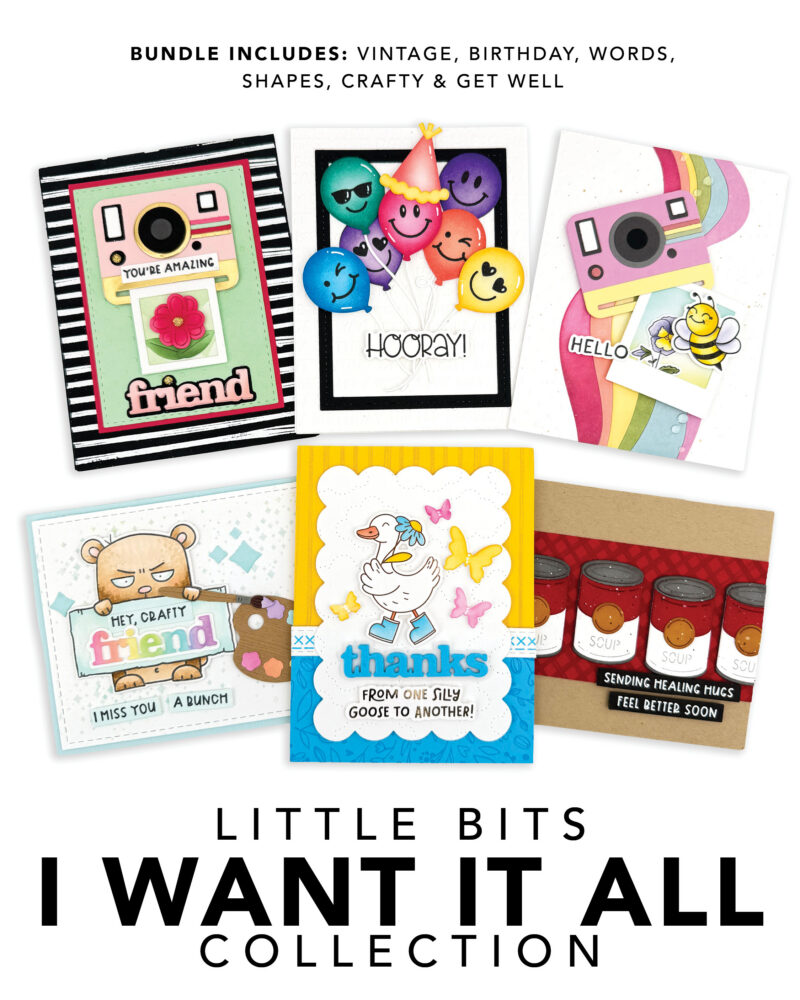
Explore six collections—Get Well, Crafty, Vintage, Words, Shapes, and Birthday—and decide where your creativity takes them.
Make the perfect tiny tag for a gift. Add a playful accent to a card. Create a miniature scene. Give an older favorite from your stash a completely new look. Or start combining Little Bits and see what they become.
They’re little tools for your BIG ideas—and they’re available now!
Maybe one collection immediately has your name written all over it. Or maybe your BIG ideas need every Little Bit. We’ve got you covered either way!
From September 1st at 9 AM CT through September 8th at 9 AM CT:
🏷️ Save 10% on each themed Little Bits Bundle
🏷️ Save 20% on the Little Bits “I Want It All” Bundle, featuring one of every product in the release
Choose the themes you’ll reach for most or bring home the whole release and start mixing and matching!
September Freebies Are Here!
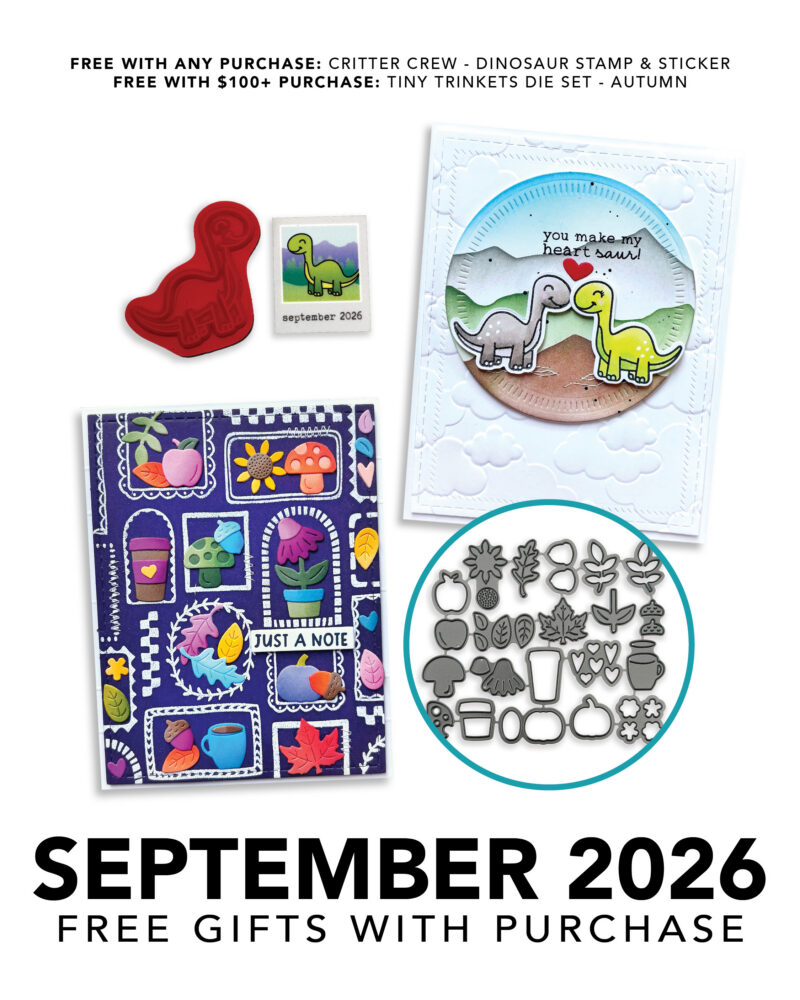
A new month means new crafty goodies to add to your stash! Throughout September, every order receives the Critter Crew Stamp – Dinosaur, a sweet little prehistoric pal ready to stomp onto your next project.
Plus, with purchases of $100 or more, you’ll also receive the Tiny Trinkets Die Set – Autumn, filled with tiny fall favorites you can mix and match for cards, tags, seasonal scenes, and more.
Consider it a little extra inspiration for all the creating ahead!
Now, Let’s Get Crafty!
Now comes our favorite part: seeing what happens when these tiny designs land in the hands of creative cardmakers!
Our Creative Team has been putting the new Little Bits to work in all kinds of ways. You’ll see them used as focal points, finishing details, tiny scenes, colorful accents, and companions to other TE favorites—showing just how much creative mileage you can get from these small-format dies.
Use their projects as a starting point, then raid your own crafty stash and see what combinations you discover. There isn’t one “right” way to create with Little Bits Die Sets and that’s exactly the point.
Scroll on for plenty of inspiration, then start dreaming up your own BIG ideas!
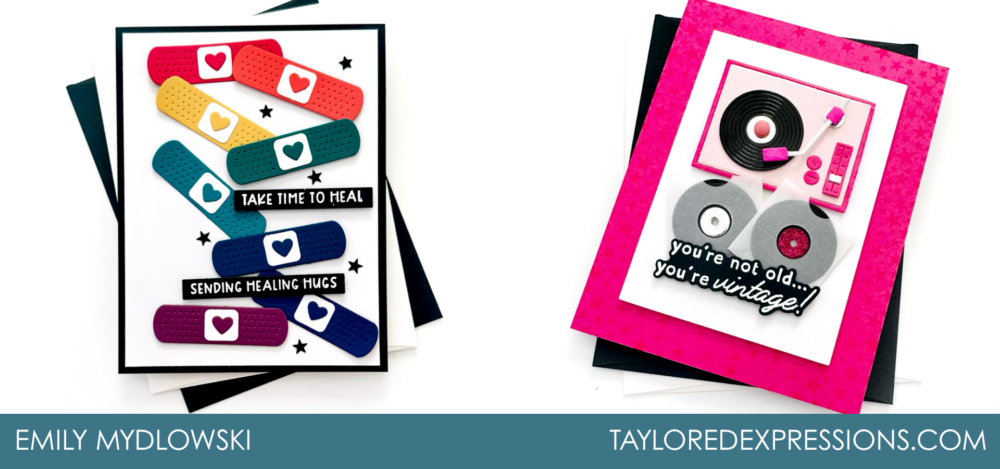
TE Creative Team member Emily Mydlowski lets the Little Bits do the talking! Her colorful bandages create a simple but instantly recognizable get-well design, while a bright pink record player and tiny records bring plenty of retro personality to her second card. Both projects show how repeating or grouping small die cuts can create a strong focal point without needing a large-scale design.
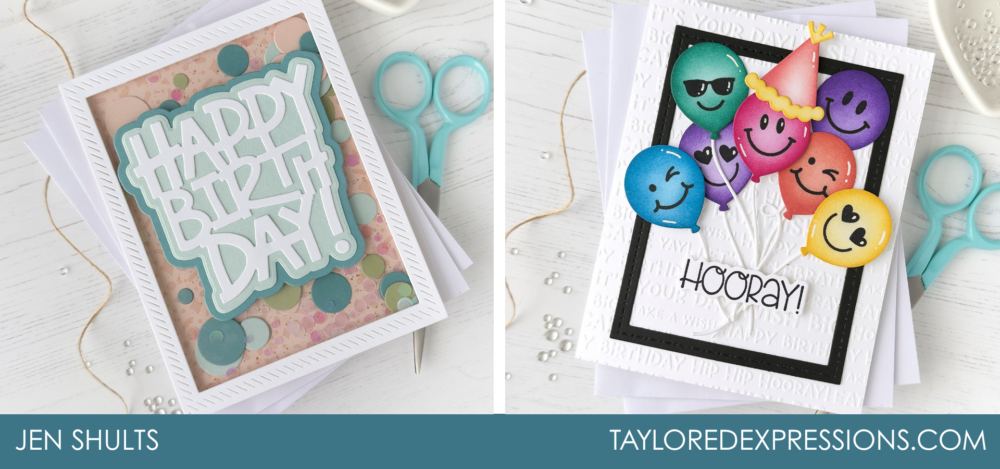
TE Creative Team member Jen Shults Jen brings BIG birthday energy to these Little Bits! She uses simple circles to create a soft, dimensional shaker behind her oversized birthday greeting, then gives a collection of colorful balloons faces, expressions, and plenty of personality. We especially love how these projects show that even the simplest Little Bits—like circles and balloons—can become something completely different depending on how you use them.
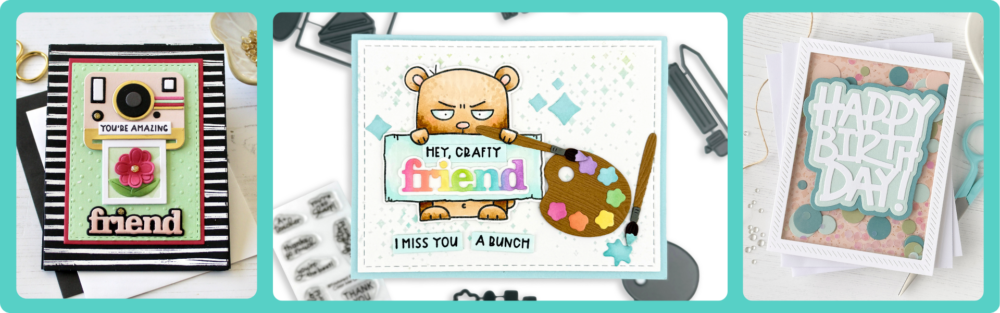
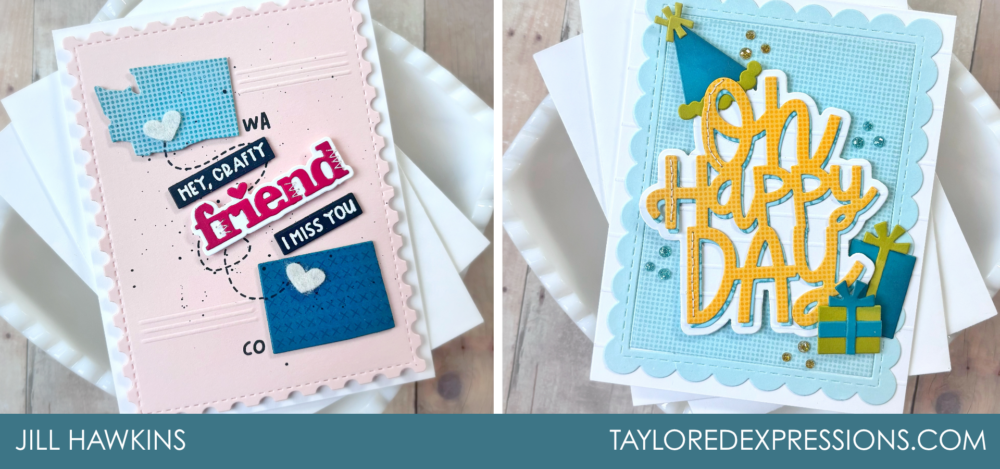
For TE Creative Team member Jill Hawkins, Little Bits are made for mixing with your crafty favorites, and Jill shows exactly why! Tiny envelopes help tell the story on her sweet “crafty friend” card, while party hats, presents, and little starbursts dress up an oversized birthday greeting on the second. These small additions are an easy way to give products already in your stash a fresh new look.
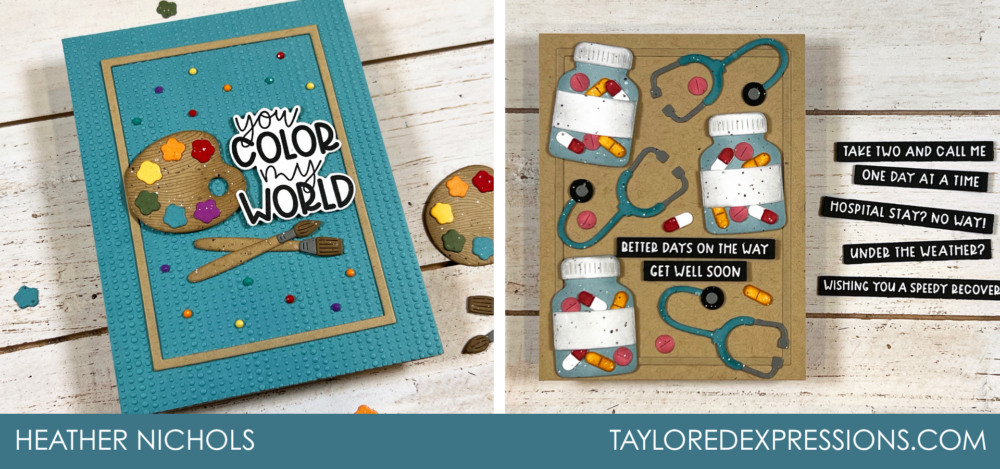
TE Designer Heather Nichols shows off two sides of Little Bits versatility! Her crafty card turns a tiny palette, brushes, and colorful paint into a cheerful focal point, while her get-well design repeats medicine bottles, pills, and stethoscopes to create an entire patterned scene. Whether you use one or two pieces or fill the whole card front, these tiny dies give you plenty of room to play.
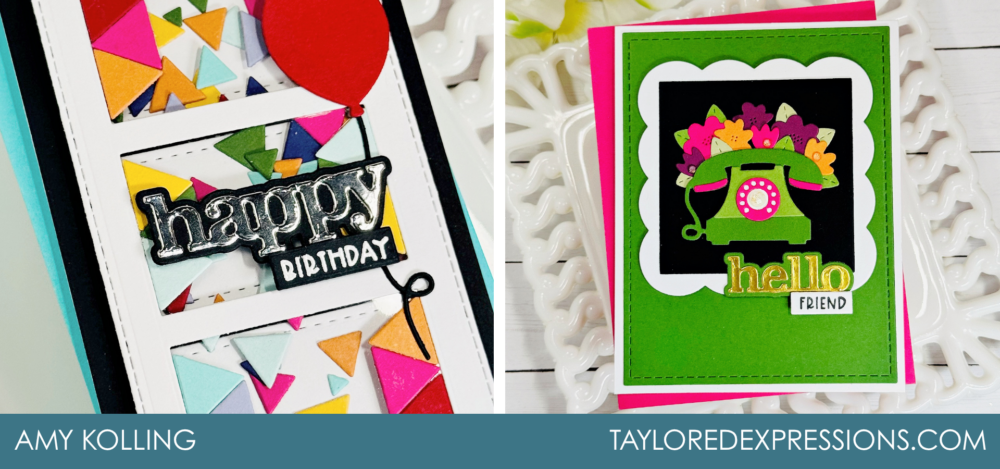
TE Creative Team member Amy Kolling puts Little Bits to work in two very different ways! On her birthday card, tiny colorful shapes become confetti, filling the shaker-style design with plenty of celebration. Then she turns to the Vintage collection for a bold retro telephone surrounded by flowers. It’s a fun reminder that Little Bits can be everything from the smallest supporting accent to the star of the entire card.
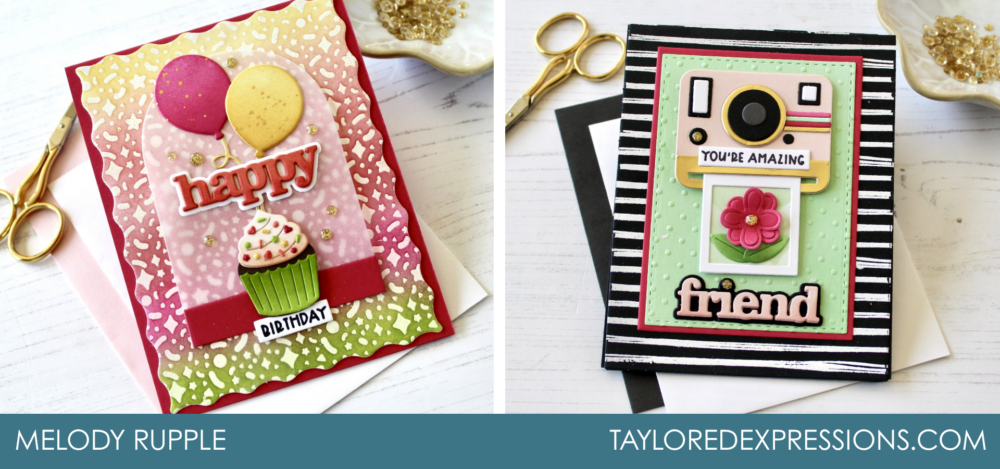
TE Creative Team member Melody Rupple shows just how much personality a few Little Bits can bring to a project! Her birthday card layers balloons, a cupcake, and the “happy” sentiment over a colorful background, while her second card pairs a retro camera with a tiny flower and “friend” greeting. Two completely different occasions—and a great example of how these small details can help you build a card around exactly what you want to say.
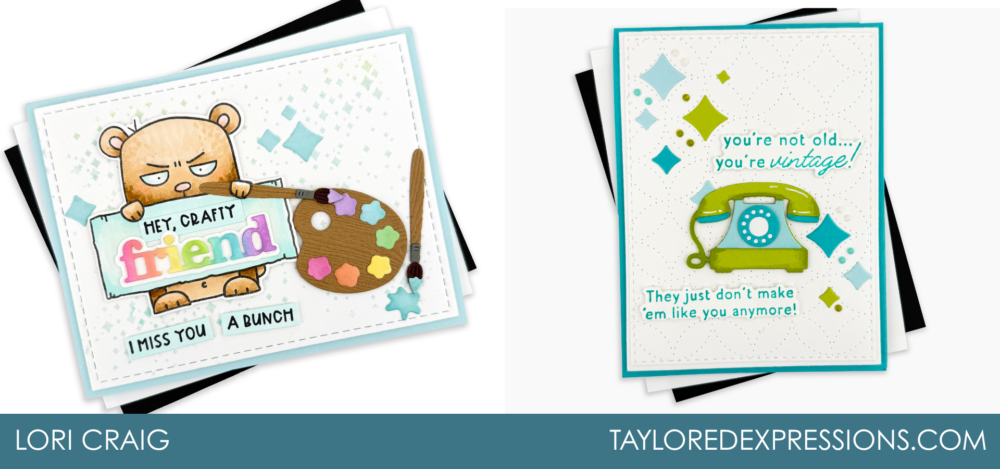
TE Designer Lori Craig mixes new Little Bits with illustrated characters and sentiments to create projects packed with personality. A palette, brushes, and colorful paint turn her first card into the perfect hello for a crafty friend, while a retro telephone and scattered shapes bring vintage charm to the second. It’s a great example of using Little Bits to personalize a card around someone’s interests—or sense of humor!
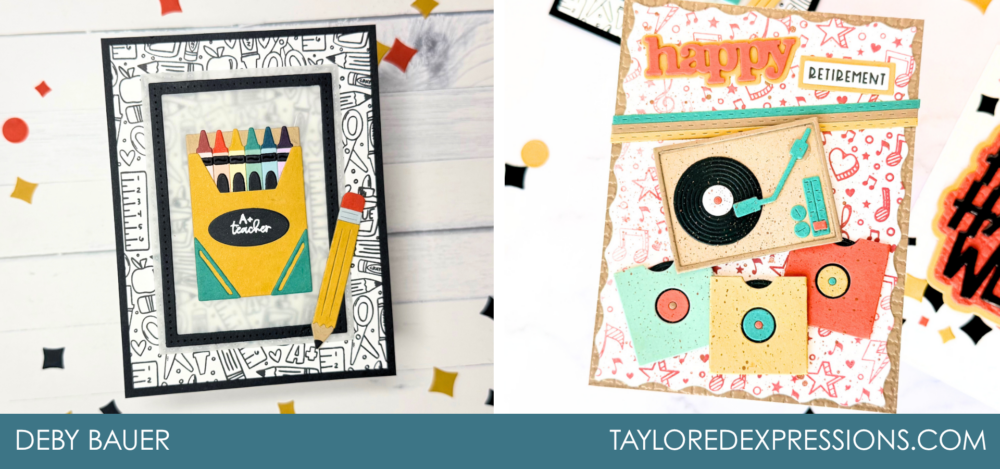
TE Creative Team member Deby Bauer asks “What do teachers and record collectors have in common?” There’s a Little Bit for that! Deby creates a colorful crayon box and pencil for a teacher card, then goes completely retro with a record player and tiny records for a retirement card. Mixing themed Little Bits with coordinating backgrounds and sentiments makes it easy to create a card that feels especially personal to the recipient.
Give Your Little Bits Some Personality!
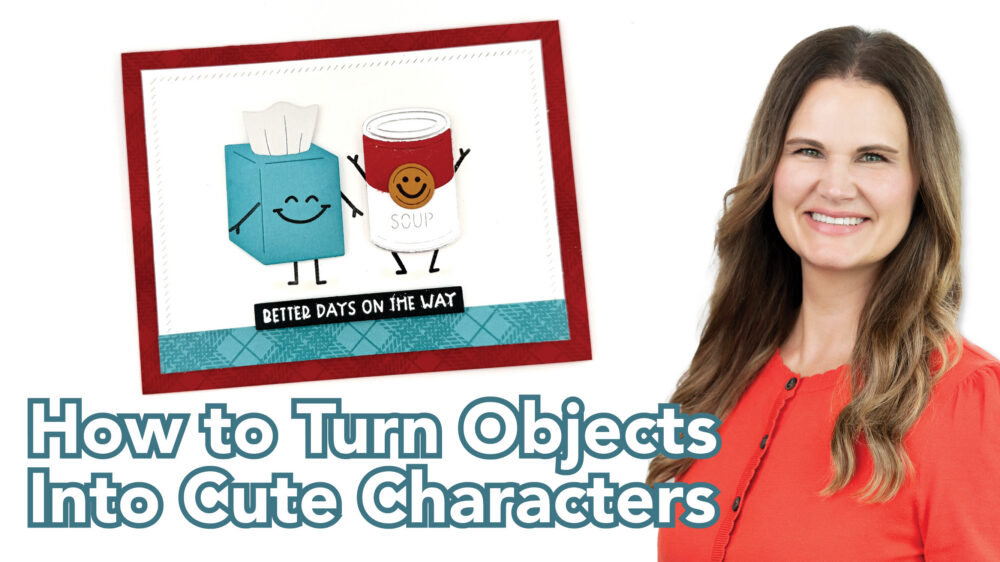
Join TE Owner & Creative Director Taylor VanBruggen at 9 AM CT today as she creates an adorable get-well card and shows you how to turn your Little Bits Get Well Collection into playful characters packed with personality!
Along the way, she’ll show you how to:
- Make your diecuts into characters by adding simple faces, arms, and legs to bring everyday objects to life.
- Combine Little Bits to build playful focal points and scenes that help tell the story of your card.
Whether you’re creating with the new Little Bits, Big Ideas release or looking at the dies already in your stash with fresh eyes, you’ll leave with fun ideas for turning simple die cuts into characters that make your handmade cards even more personal.